
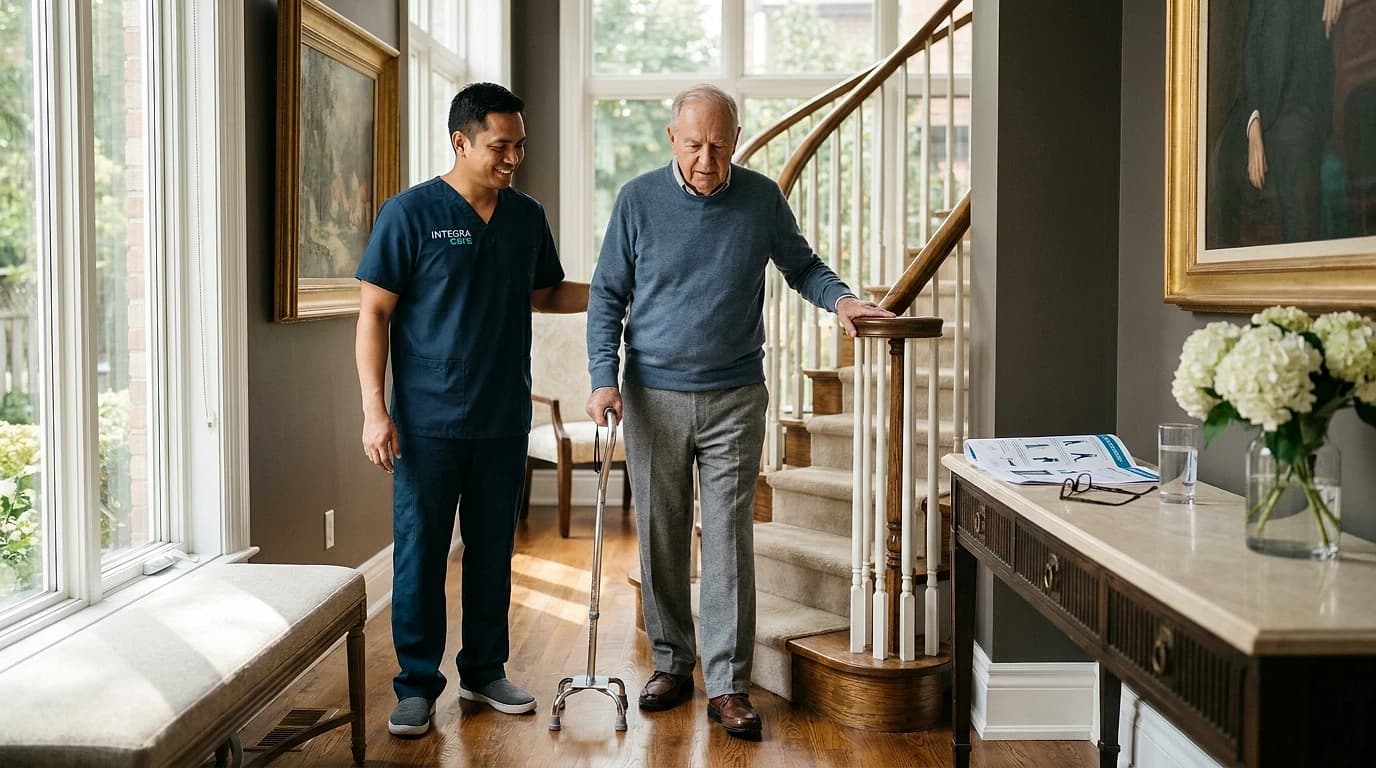
When someone in your family has a stroke, one question comes up almost immediately: can this be cured? It's a natural thing to ask. You want a clear answer, a timeline, something to hold onto. The honest answer is that stroke isn't "cured" the way an infection is cured with antibiotics. But that isn't the same as saying nothing can be done. In fact, the opposite is true: stroke care has changed enormously over the past few decades, and most survivors go on to regain a meaningful amount of function, especially with the right rehabilitation and support at home.
Can a Stroke Be Cured? The Honest Answer
A stroke happens when blood flow to part of the brain is interrupted, either by a clot (ischemic stroke) or a bleed (hemorrhagic stroke). Brain cells in the affected area are damaged or die within minutes. There's no treatment that reverses this damage after the fact and restores the brain to exactly how it was before. In that sense, no, a stroke cannot be cured.
What has changed dramatically is how much recovery is possible afterward. Just over thirty years ago, there was almost nothing doctors could offer someone who'd had a stroke. Today, fast treatment and dedicated rehabilitation mean many people recover skills that once would have been considered permanently lost. For ischemic strokes treated quickly with the clot-busting drug Alteplase (tPA), patients are at least 30% more likely to end up with little to no disability. Speed matters enormously in the hours right after a stroke, which is why "time is brain" is the guiding principle in emergency stroke care.
What Happens to the Brain After a Stroke
Recovery isn't a single event. It unfolds in phases, and understanding them helps families set realistic expectations. Clinicians generally describe the hyperacute phase (the first 24 hours), the acute phase (the first week), early sub-acute (up to three months), late sub-acute (months four to six), and the chronic phase from six months onward. The brain does real healing work in each of these windows, through a process called neuroplasticity, where healthy areas of the brain gradually take over functions once handled by damaged tissue.
This is why timing matters so much for rehabilitation. The sooner rehab begins, often within 24 to 48 hours after a stroke while the person is still in hospital, the more likely they are to regain lost abilities. But progress doesn't stop at discharge. Most stroke survivors need some form of long-term rehabilitation lasting months or even years, and with consistent practice, people continue to make gains well beyond the first few months.
Why Rehabilitation Is the Real Path Forward
If stroke can't be cured, rehabilitation is what actually moves the needle. It's structured, repetitive practice of the movements, speech, and daily tasks a person is relearning, usually guided by physiotherapists, occupational therapists, and speech-language pathologists. Stroke is one of the leading causes of adult disability in Canada, and about half of all people living with stroke need some help with daily activities like eating, bathing, dressing, going to the washroom, or getting around. That's a significant number of families navigating this, which is worth remembering if it feels isolating right now: roughly 405,000 people in Canada were living with stroke as of 2018, and stroke occurs about once every five minutes across the country.
Rehabilitation works best when it's consistent and tailored to the person, not just to a generic protocol. This is where the setting matters. Practicing to climb your own stairs, use your own bathroom, or make tea in your own kitchen builds skills and confidence that don't always transfer from a hospital gym. Our stroke care programs are built around this idea: rehabilitation that continues where the person actually lives.
How Home Care Supports Stroke Recovery
In practice, families often underestimate how much day-to-day support recovery requires once a loved one comes home from hospital or a rehab facility. A caregiver will typically help with mobility practice between formal therapy sessions, prompt exercises the physiotherapist has assigned, watch for signs of fatigue or frustration, and simply be present so the survivor isn't attempting stairs or transfers alone. This kind of steady, in-home support is often what determines whether therapy gains actually stick.
Our team supports this transition through stroke recovery at home, coordinating with a client's rehabilitation team and adjusting support as ability changes week to week. For clients who also need clinical monitoring, medication management, or wound care after a hemorrhagic stroke, in-home nursing can be layered in alongside personal support. Some families choose to manage funding themselves through Ontario's HCCSS-funded options; for them, family-managed home care offers more control over who provides care and when.
Because every stroke and every recovery is different, always confirm therapy goals, exercise frequency, and any red-flag symptoms with the client's physician or rehabilitation team. Home care is meant to support that clinical plan, not replace it.
What Families Can Do Right Now
If your parent or spouse has recently had a stroke, or you're planning ahead for a coming-home date, a few practical steps help:
- Ask the hospital's discharge planner exactly which outpatient or day programs are available for stroke survivors in your area.
- Get a written copy of the physiotherapy and occupational therapy exercise plan so home caregivers can reinforce it correctly.
- Walk through the home for fall risks: loose rugs, poor lighting, stairs without rails.
- Ask about respite options early. Stroke recovery is often a marathon, and caregivers need rest too.
A free in-home assessment is a practical starting point. Our team can look at the home, talk through the client's current abilities and goals, and recommend a level of support that fits both the recovery stage and the family's budget.
Frequently Asked Questions
Can a stroke be reversed or cured completely?
No. Once brain tissue is damaged by a stroke, that damage can't be undone. However, the brain can rewire itself through neuroplasticity, and many people regain significant function through rehabilitation, especially when it starts early and continues consistently.
How long does stroke recovery usually take?
There's no fixed timeline. Some people see major improvements in the first three to six months, while others continue to make gains for years with ongoing practice. Recovery speed depends on the stroke's severity, location, and how quickly treatment and rehabilitation began.
Is it normal to still need help with daily tasks after a stroke?
Yes. About half of people living with stroke need some ongoing help with daily activities such as bathing, dressing, or getting around. This is common, not a sign that recovery has failed, and home care can be scaled up or down as ability changes.
What's the difference between hospital rehab and home-based stroke recovery support?
Hospital and outpatient rehab provide the clinical therapy sessions themselves. Home-based support fills the gaps between sessions, helping a person safely practice exercises, manage daily routines, and build confidence in the environment they'll actually be living in.
When should we consider bringing in professional home care after a stroke?
Many families start looking into support around discharge planning, since the first weeks at home are often the most physically and emotionally demanding. An early conversation, even before discharge, gives more time to arrange the right level of care.