
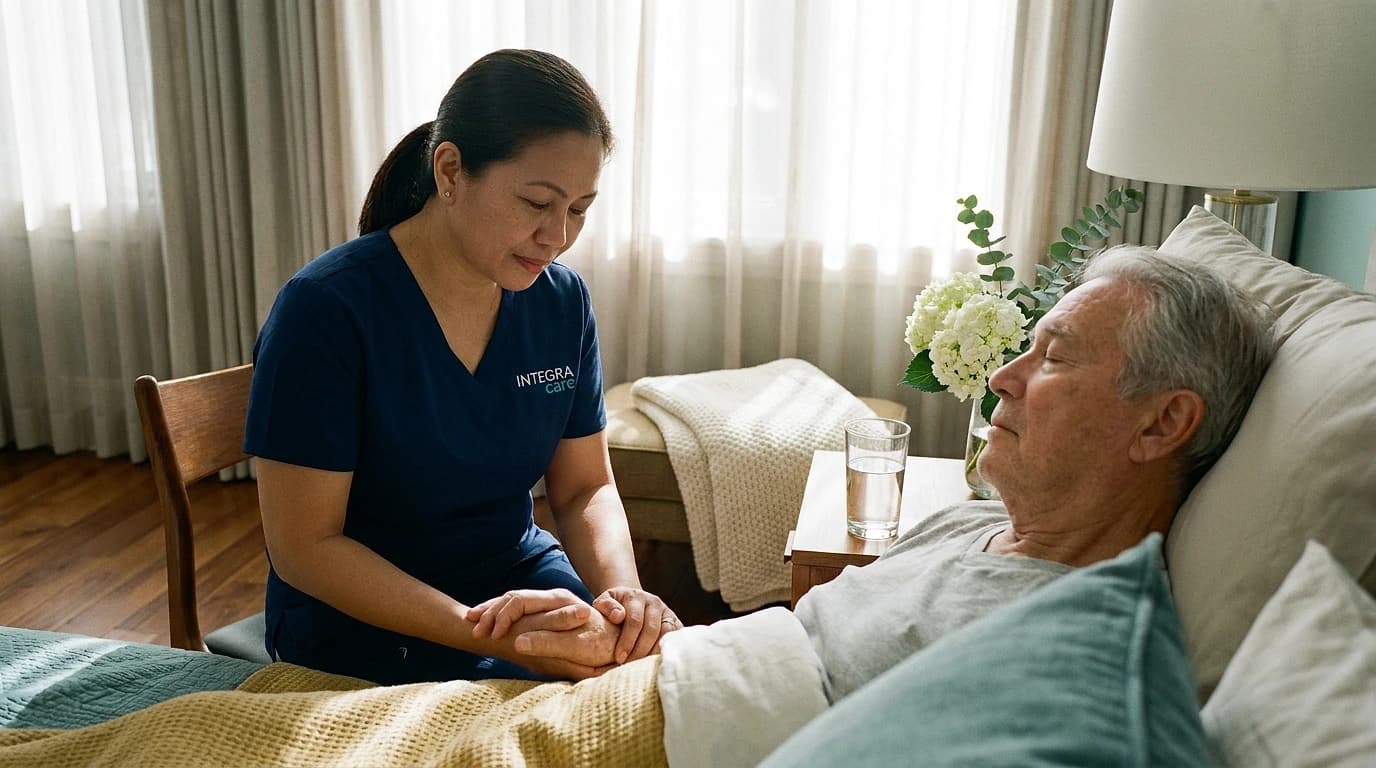
Strokes are medical emergencies that have the ability to affect the brain in numerous ways. At times, an individual becomes unresponsive following a stroke, leaving family members feeling confused about what happened and what the future holds for their loved one.
Although every stroke case varies, having an understanding of why unresponsiveness happens and what the future holds may make the situation a little bit easier for family members.
Why Can Someone Become Unresponsive After a Stroke?
An individual could lose responsiveness if a stroke results in considerable damage to parts of the brain that control consciousness or if there is brain swelling which affects the brain. The nature of the stroke determines the response of the affected individual.
Some individuals become unconscious only temporarily, whereas others might stay in that state for some time or go into a coma. Medical professionals use neurological tests and brain scans to determine the severity of the stroke.
How Long Can You Be Unresponsive After a Stroke?
There is no single answer to how long you can be unresponsive after a stroke. It depends on each individual.
Some people regain consciousness within hours or days, while other individuals may take several weeks to do so. If the severity of the condition is high, then there are chances that the recovery time will be much longer, or even that recovery may not take place at all.
While it is sometimes hard to have patience without knowing what will happen, early estimates are often inaccurate. Some individuals continue to get better as the brain starts healing through rehabilitation.
What Happens After a Stroke Coma?
If an individual starts becoming conscious, the process is not instant but rather gradual. In the process of recovery, the person will become increasingly alert, respond to sounds, open their eyes and possibly regain the ability to talk or move.
After stabilization, the medical team can evaluate what form of rehab would be beneficial for them. Based on individual needs, these could include physiotherapy, occupational therapy, speech-language therapy or nursing.
Each process of recovery is unique and happens in gradual stages.
Supporting a Loved One During Recovery
Dealing with an unresponsive loved one can be daunting for families. During this period, it would be helpful for the caregivers to:
- Talking in a soothing and reassuring manner
- Accompanying visitors when needed
- Communicating with the medical staff
- Understanding the treatment and rehabilitation plan of the individual
- Taking rest periods and accepting support from others
It is equally important for the caregiver to take care of their own well-being, physically and emotionally. Caregiving for someone who has had a stroke is not an easy task and asking for help is crucial.
Stroke Recovery at Home
Even after discharge from hospital or rehab facility, there are stroke patients who carry out their recovery process at home through the support provided by their family members as well as professional caregivers.
Guardian Home Care offers customized stroke care that helps care recipients stay safe and comfortable in their homes. Based on their needs, the services can range from personal care, mobility assistance, companionship, medication reminders and respite for family caregivers.
There Is Hope After a Stroke
Everyone's recovery journey from stroke is different. Although it may seem scary if someone shows a lack of response after suffering from a stroke, it does not necessarily mean that it will affect their further life negatively. Rehabilitation and advances in stroke care help many people regain abilities.
If your loved one has had a stroke and requires extra help at home, we are here to assist you.
Contact Us
If you’d like to know more about high quality homecare services, please contact us. A member of our care team would be glad to answer your questions and make personalized recommendations. We look forward to speaking with you soon.